

Listeners:
Top listeners:
00:00
00:00
volume_up
chevron_left
-
 play_arrow
Strath Hits Radio
-
 play_arrow
From Europe to Africa: Strathmore Students Return with a Renewed Global Vision Paul Musingi
THE CLIMATE CRISIS: A TICKING TIME BOMB
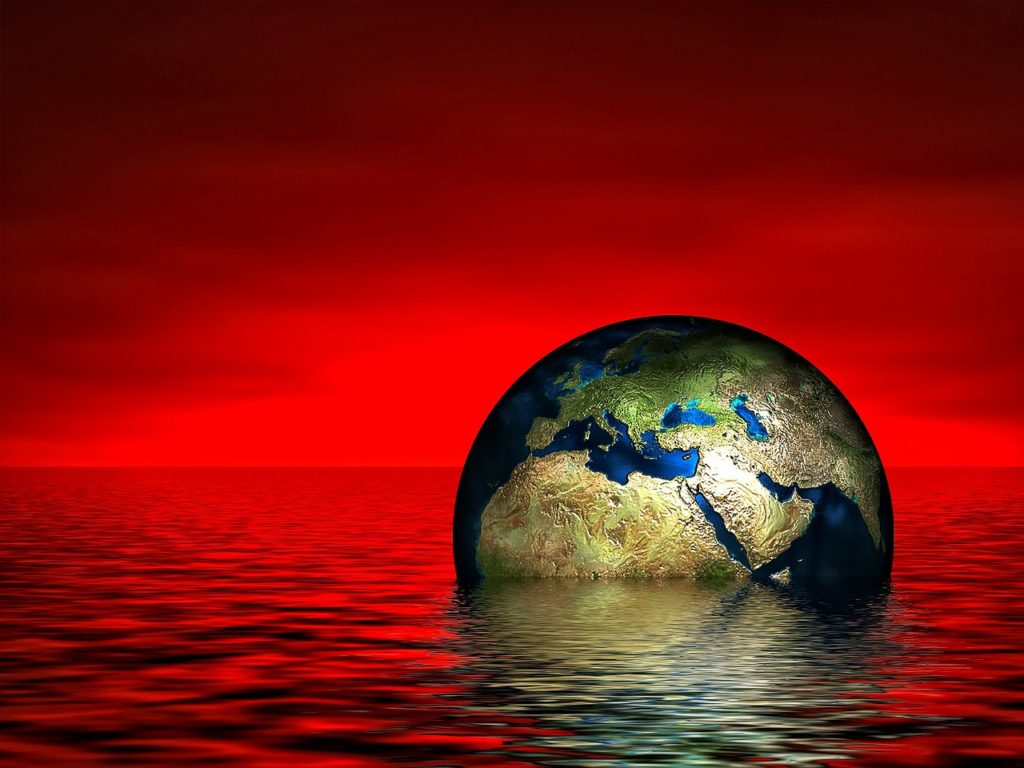
A looming problem or just another buzzword? This phenomenon of long-term shifts in temperature and weather patterns, referred to as climate change, has rocked the world and its leaders to the core. How can something that seems so natural be so unnatural? Climate change, often dismissed as a natural occurrence caused by volcanic eruptions, is now central to global concern. But is it truly natural or human activity accelerated it’s impact?
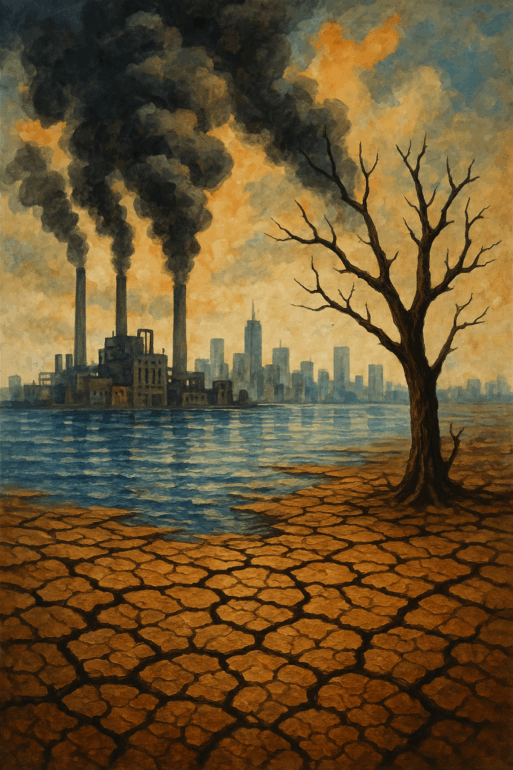
All fingers are pointed towards human activity as the source of this disorder. Since the early 1800s and the Industrial Revolution—when the primary energy sources shifted from coal to oil and its byproducts—human influence has been at the heart of this climate conundrum.
Burning these fuels emits greenhouse gases (GHGs) into the atmosphere, which absorb and trap heat, leading to a rise in global temperatures. But why is it seen as a ticking time bomb? This problematic situation is hard to avoid, as many of our routine yet essential activities—like driving to work or flying to international conferences—continue to fuel the problem.
Cutting down trees to create space for housing, while necessary, is also detrimental to the climate. The rise in temperature is the most widely known effect of climate change. Statistics show that global temperatures have risen every decade since 1850. The world is now 1.2 degrees Celsius warmer than ever—just 0.3 degrees short of the dreaded 1.5°C mark, where the climate may become unlivable.
However, climate change goes far beyond temperature increases. Due to the interconnected nature of Earth’s ecosystem, destabilizing one aspect can trigger a chain reaction. This has led to unpredictable weather patterns, resulting in both droughts and intense rainfall.
North and South American countries have experienced widespread wildfires, with over 279,000 hectares of forest burned. Closer to home, between 2020 and 2023, communities in East Africa endured the worst drought in 80 years due to erratic weather patterns—leading to starvation, malnutrition, and loss of life.
Higher temperatures also contribute to rising ocean levels, as melting glaciers and icebergs add more water. This poses a serious threat to coastal communities and marine ecosystems.
Do we need to worry?
Yes, we do. The evidence is clear: weather patterns are increasingly inconsistent and unpredictable. Climate change is real, and we can no longer ignore it.
In response, global and local leaders have taken action. At home, Kenya introduced a National Tree Planting Day, now a public holiday observed on November 13th. Globally, former U.S. Vice President Al Gore founded the Climate Reality Project, which trains individuals on climate issues and highlights the urgency of the crisis.
The 1997 Kyoto Protocol introduced carbon credits—permits that allow the emission of a certain amount of carbon dioxide—as a market-based strategy to reduce GHGs. The 2015 Paris Agreement, signed by 195 countries, aims to achieve net-zero emissions by 2050.
With COP30 (Conference of the Parties) set to take place in Brazil later this year, climate change has undoubtedly moved to the top of the global agenda. It is a real and pressing issue — and every action, no matter how small, counts.
Plant a tree and secure the future.
Story by Neville Omuga.
Featured post
Latest posts

From Hope to Impact: Evaluating Social Programs for Evidence-Based Policy in Africa Every policy comes bearing hope
From Europe to Africa: Strathmore Students Return with a Renewed Global Vision

What Are You a Slave To?

From Nairobi to Vienna: A Life-Changing Exchange Experience

How Coca-Cola Is Rewriting Youth Engagement: Inside the “It’s That Fresh” Campaign
Upcoming shows









Post comments (0)