
Listeners:
Top listeners:
00:00
00:00
volume_up
chevron_left
-
 play_arrow
Strath Hits Radio
-
 play_arrow
From Europe to Africa: Strathmore Students Return with a Renewed Global Vision Paul Musingi
The Man, The Legend, The Enigma
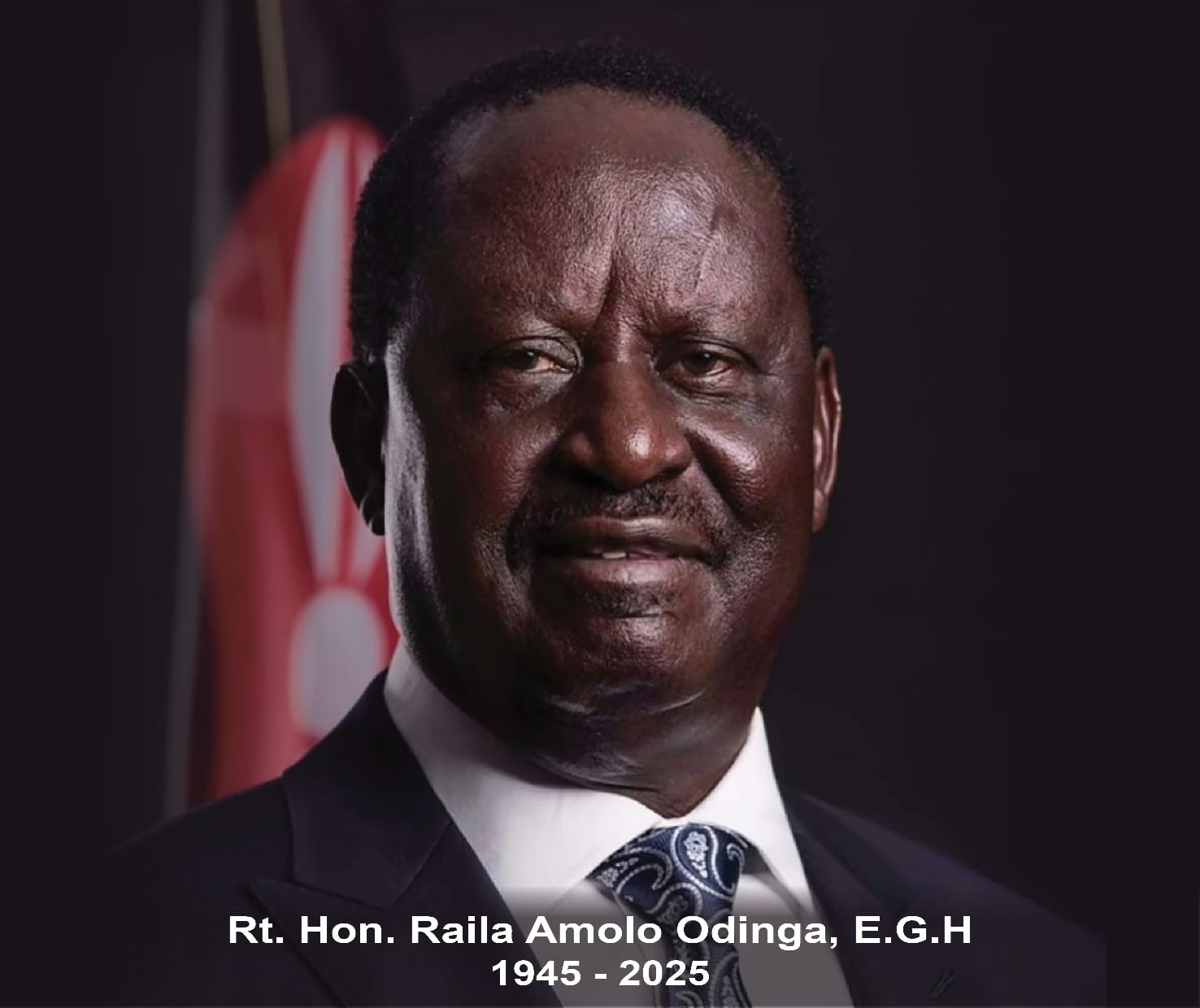
A Tribute to Raila Amolo Odinga (1945–2025)
On October 15, 2025, Kenya and indeed the African continent at large, lost one of its most remarkable political figures. Raila Amolo Odinga, who passed away at age 80 in Kerala, India, was far more than a politician; he was a symbol of resilience, a champion of Kenya’s democracy and a beacon of hope for the thousands who affectionately referred to him as ‘Baba.’
If you want to understand modern Kenya and the politics tied to it, you must first understand the life of Raila Odinga. Here’s a look at his remarkable journey and significance.
Born to Lead
Born on January 7, 1945, in Maseno, Raila Amolo Odinga entered a world already steeped in political significance. As the son of Jaramogi Oginga Odinga, Kenya’s first Vice President, leadership may have seemed inevitable. Yet Raila carved his own distinct path in Kenyan history.
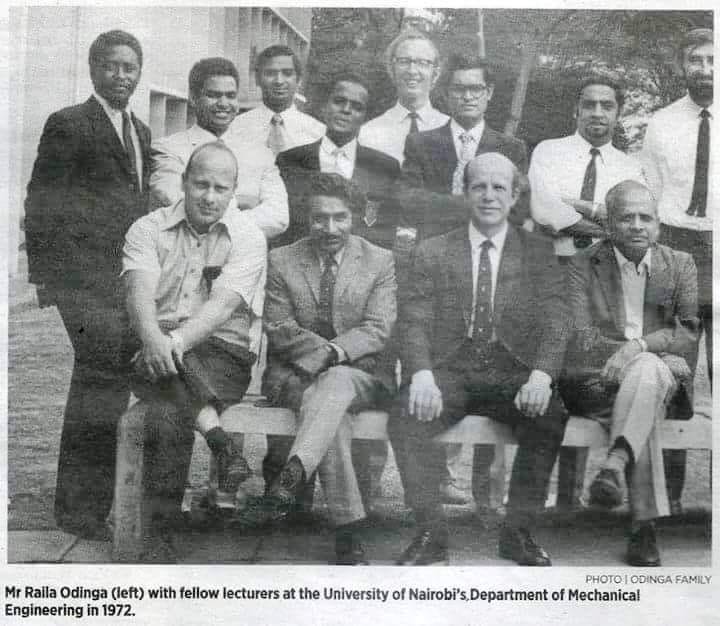
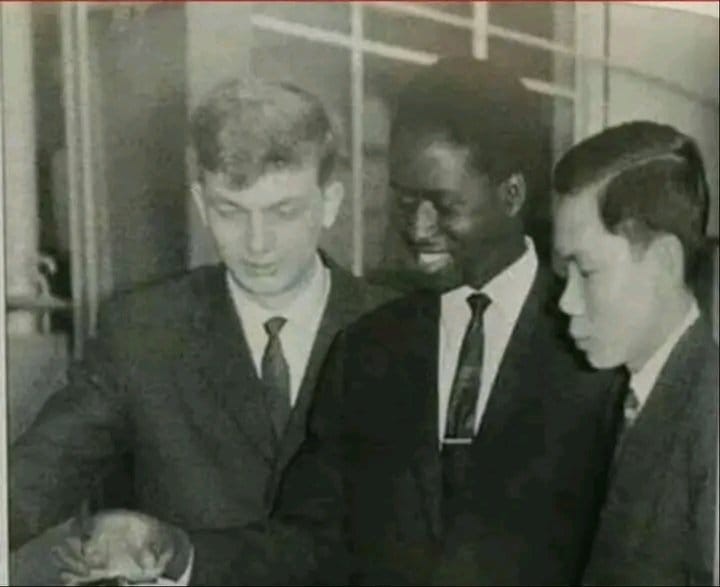
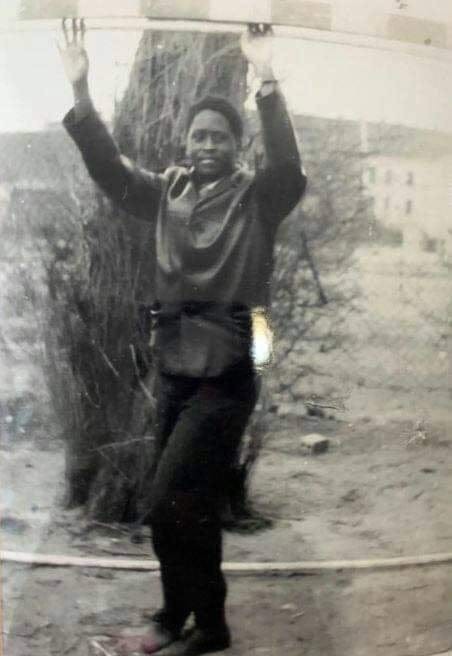
After excelling at Maranda High School, he pursued higher education at the Herder Institute, then the Technical University of Magdeburg in East Germany, earning his master’s degree in mechanical engineering in 1970. Upon completion, Odinga returned to Kenya to become a lecturer at the University of Nairobi.
The Price of Democracy
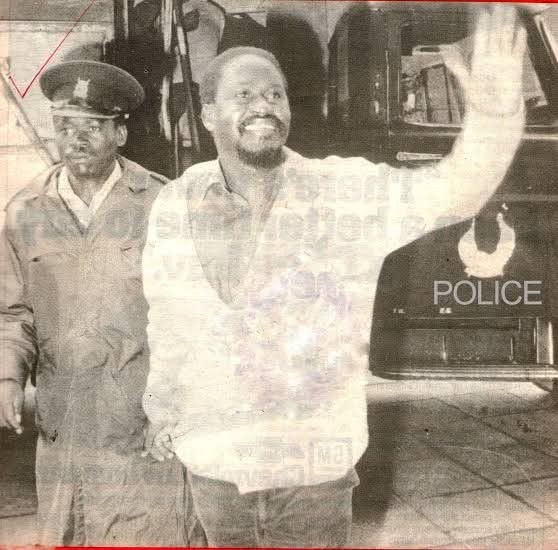
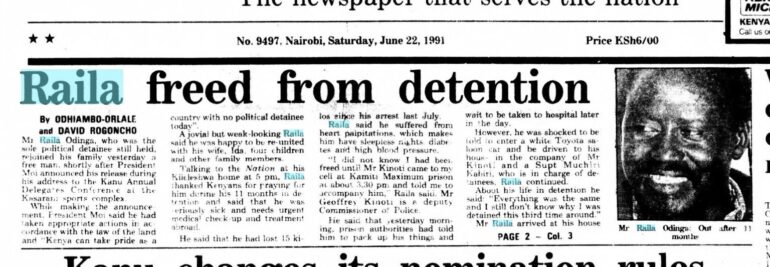
Raila’s political awakening came at great personal cost. In 1982, he was detained without trial for six years over alleged involvement in a coup plot against President Daniel arap Moi. Those dark years in detention, rather than breaking his spirit, strengthened his resolve to champion democracy.
After his release, he became an outspoken advocate for multi-party democracy, challenging the oppressive political order. His activism forced him into exile in Norway in 1991, but he returned the following year to contest for Parliament — and won. The people of Langata Constituency would keep faith in him for over two decades, electing him their representative from 1992 to 2013.
Five Times a Candidate, Forever a Champion
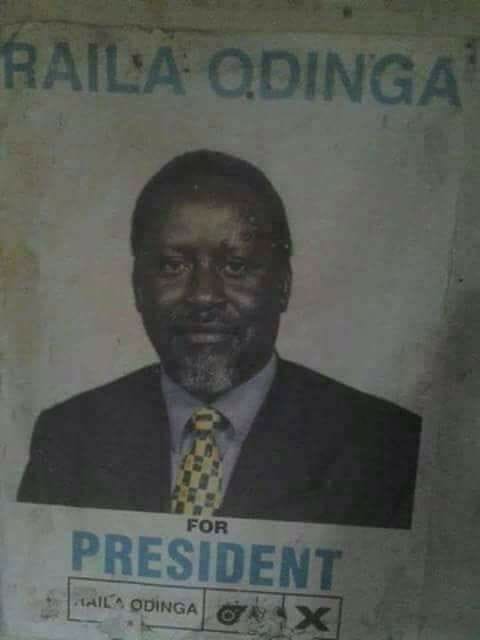
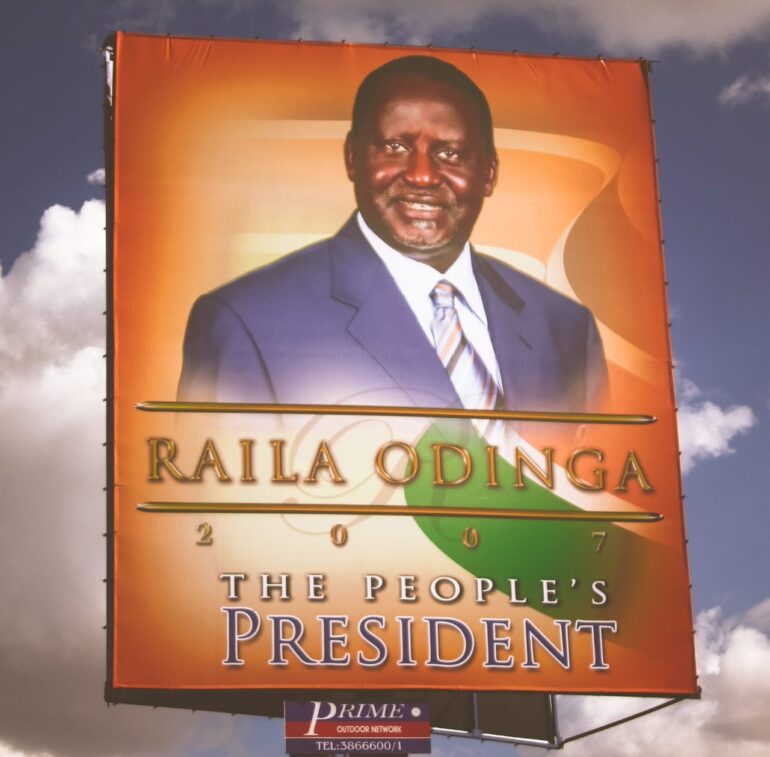
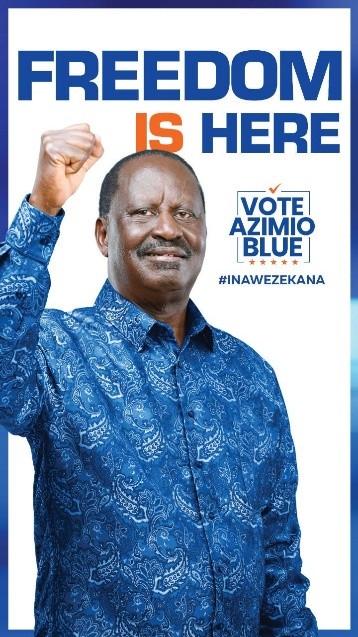
Perhaps no aspect of Raila’s story captures his nature more than his five presidential campaigns — in 1997, 2007, 2013, 2017, and 2022. Five times he did not win. Five times he disputed the results. Yet five times, he rose again. The 2007 election remains a potent memory.
After results showed him losing to Mwai Kibaki, the country experienced post-election violence. From that crisis emerged a power-sharing agreement that made Raila Prime Minister from 2008 to 2013. In that role, he helped restore stability, proving that his commitment to Kenya went beyond personal ambition.
The Handshake
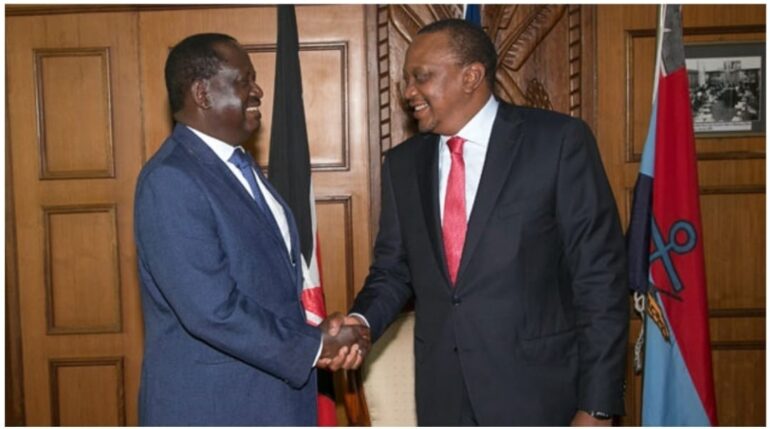
In 2018, Raila surprised the nation with ‘The Handshake,’ a political reconciliation with former President Uhuru Kenyatta. Together, they launched the Building Bridges Initiative (BBI) to address Kenya’s ethnic divisions and promote inclusivity.
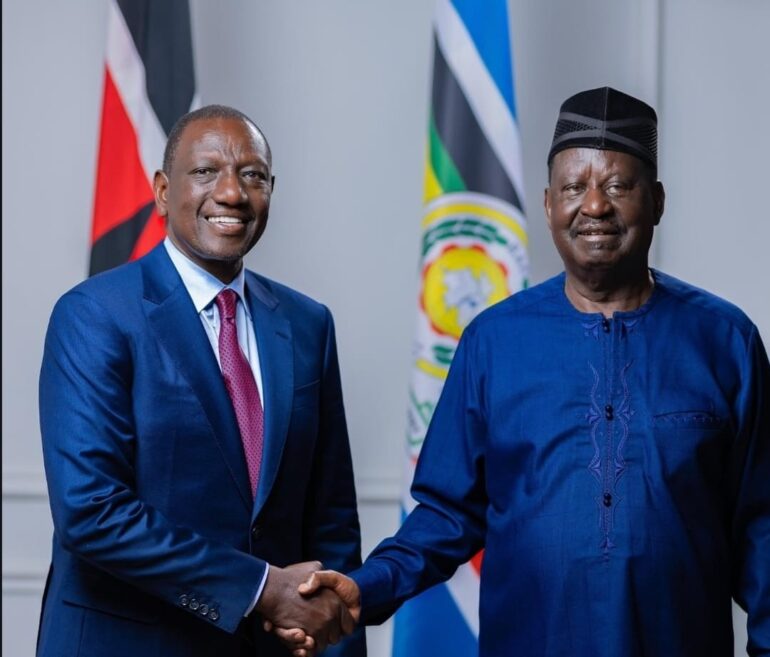
Although BBI ultimately failed, the gesture itself spoke volumes about Raila’s willingness to put country before ego. He often reminded Kenyans, ‘Kenya is bigger than any one of us.’ Even in 2025, months before his passing, Raila was still building bridges. His partnership with President William Ruto demonstrated that for him, politics was never about grudges but about moving Kenya forward.
Beyond the Ballot
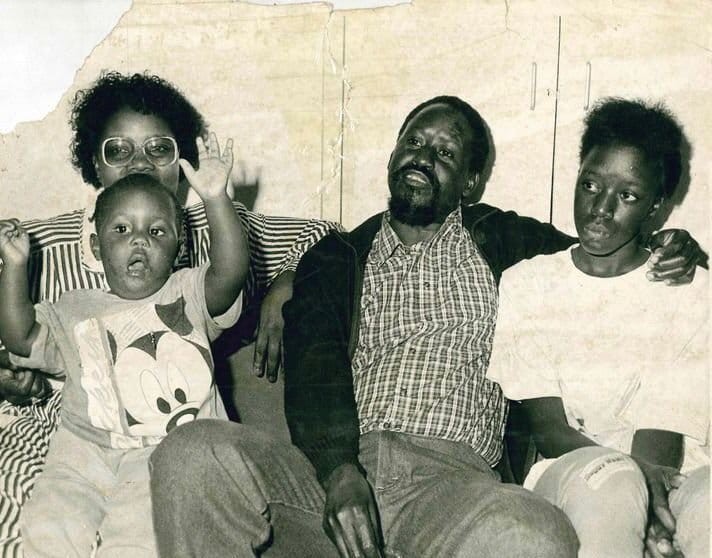
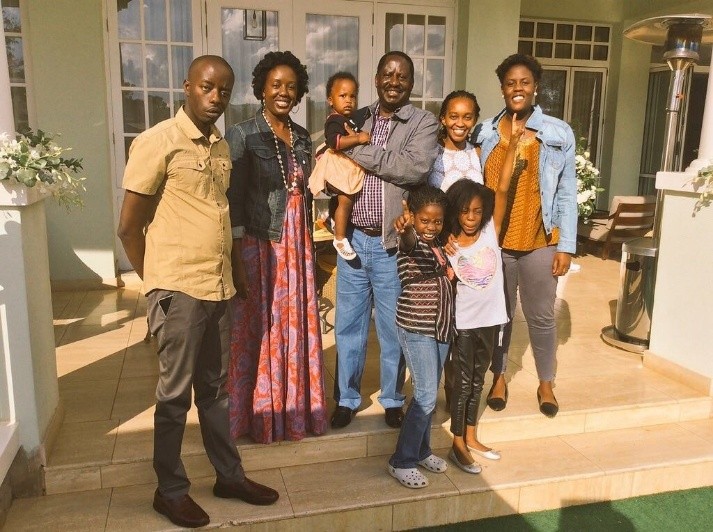
Away from politics, Raila was a devoted family man. He married Ida Anyango Oyoo in 1973, and together they raised four children: Fidel (deceased in 2015), Rosemary, Raila Jr., and Winnie. He once played football for Luo Union and was a passionate Arsenal supporter.
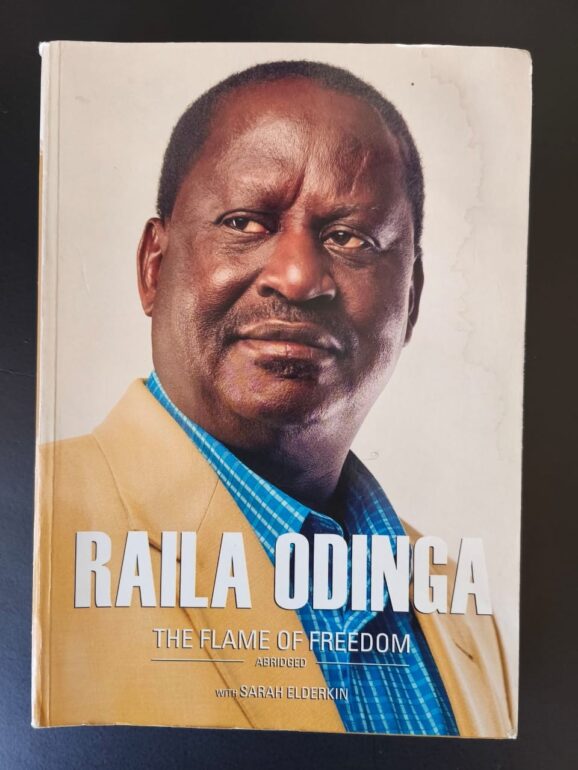
He was also an author — his autobiography ‘Flame of Freedom’ remains a Kenyan bestseller — and a successful entrepreneur who founded companies bringing essential services to ordinary Kenyans.
The Legacy Endures
What made Raila Odinga truly significant was this: he did not win the presidency, yet he shaped Kenya’s political landscape more profoundly than many who did. He faced detention, exile, and repeated defeat, yet never surrendered his belief in a democratic, just, and united Kenya.
To his supporters, he was ‘Agwambo‘ — the mysterious one — a leader whose influence went beyond titles and offices. To history, he will be remembered as the man who helped Kenya evolve from a restricted state into a vibrant democracy. Kenya has lost not just a politician, but a piece of its soul.
A Final Journey Home
On October 19, 2025, Raila Odinga was laid to rest in his rural home in Bondo, Siaya County. Thousands gathered to pay their respects, with many others mourning from across the world — a testament to the profound impact one man can have when he dedicates his life to a cause greater than himself.
Raila Odinga may have left us, but his legacy of courage, persistence, and reconciliation will continue to inspire generations of Africans yet unborn.
“The king is dead, but long live the crown!” — Winnie Odinga

Article by Nicole Ndila.
Post comments (23)
Featured post
Latest posts
From Hope to Impact: Evaluating Social Programs for Evidence-Based Policy in Africa Every policy comes bearing hope
From Europe to Africa: Strathmore Students Return with a Renewed Global Vision

What Are You a Slave To?

From Nairobi to Vienna: A Life-Changing Exchange Experience

How Coca-Cola Is Rewriting Youth Engagement: Inside the “It’s That Fresh” Campaign
Current show
Upcoming shows










Alphonse Sustaire on August 16, 2026
Hi there, You have performed a great job. I’ll certainly digg it and in my opinion suggest to my friends. I’m sure they will be benefited from this website.
Rene Layland on August 16, 2026
constantly i used to read smaller posts that also clear their motive, and that is also happening with this article which I am reading now.
Chuck Sit on August 16, 2026
Wow that was unusual. I just wrote an very long comment but after I clicked submit my comment didn’t appear. Grrrr… well I’m not writing all that over again. Anyway, just wanted to say excellent blog!
Tresa Agonoy on August 16, 2026
Wow that was odd. I just wrote an incredibly long comment but after I clicked submit my comment didn’t appear. Grrrr… well I’m not writing all that over again. Regardless, just wanted to say great blog!
Houston Mendyk on August 16, 2026
Hey I know this is off topic but I was wondering if you knew of any widgets I could add to my blog that automatically tweet my newest twitter updates. I’ve been looking for a plug-in like this for quite some time and was hoping maybe you would have some experience with something like this. Please let me know if you run into anything. I truly enjoy reading your blog and I look forward to your new updates.
David Bonde on August 16, 2026
Aw, this was an exceptionally good post. Spending some time and actual effort to create a superb article… but what can I say… I procrastinate a whole lot and never manage to get anything done.
Sherrie Angileri on August 16, 2026
Wow, amazing weblog layout! How long have you been blogging for? you made blogging look easy. The total glance of your web site is magnificent, as smartly as the content
Antonia Ruiz on August 16, 2026
Hi there i am kavin, its my first time to commenting anyplace, when i read this post i thought i could also create comment due to this good piece of writing.
Mitchel Mckercher on August 16, 2026
May I simply say what a comfort to discover someone that genuinely understands what they are discussing online. You certainly understand how to bring an issue to light and make it important. More people really need to check this out and understand this side of the story. I can’t believe you’re not more popular because you surely possess the gift.
Lyndia Joshlin on August 16, 2026
Hi there, You’ve performed a fantastic job. I’ll certainly digg it and personally recommend to my friends. I’m sure they’ll be benefited from this web site.
Genevie Misiaszek on August 16, 2026
Excellent post. Keep posting such kind of info on your blog. Im really impressed by your blog.
Yolanda Lacrue on August 17, 2026
Hey there, You have performed an excellent job. I will certainly digg it and individually recommend to my friends. I’m sure they will be benefited from this website.
Leslie Mongon on August 17, 2026
Great work! This is the type of info that are meant to be shared across the internet. Shame on Google for now not positioning this publish upper! Come on over and talk over with my web site . Thanks =)
Merrill File on August 17, 2026
Excellent goods from you, man. I have understand your stuff previous to and you’re just too excellent. I really like what you’ve acquired here, certainly like what you are stating and the way in which you say it. You make it enjoyable and you still take care of to keep it sensible. I can’t wait to read much more from you. This is actually a great site.
Reed Maulden on August 17, 2026
Wow that was odd. I just wrote an really long comment but after I clicked submit my comment didn’t appear. Grrrr… well I’m not writing all that over again. Regardless, just wanted to say excellent blog!
Erin Kleiboeker on August 18, 2026
Greetings! I know this is kinda off topic however , I’d figured I’d ask. Would you be interested in trading links or maybe guest authoring a blog article or vice-versa? My blog goes over a lot of the same topics as yours and I think we could greatly benefit from each other. If you are interested feel free to send me an email. I look forward to hearing from you! Fantastic blog by the way!
Beau Hazel on August 18, 2026
Aw, this was an exceptionally nice post. Taking the time and actual effort to produce a great article… but what can I say… I procrastinate a lot and don’t manage to get nearly anything done.
Brigid Lubbs on August 18, 2026
May I just say what a comfort to discover an individual who truly understands what they’re discussing on the internet. You certainly know how to bring a problem to light and make it important. A lot more people have to read this and understand this side of your story. It’s surprising you’re not more popular since you surely possess the gift.
Inez Velzeboer on August 18, 2026
Hello there, You have done an excellent job. I’ll definitely digg it and in my view recommend to my friends. I’m sure they will be benefited from this site.
Adella Labog on August 18, 2026
Can I simply just say what a comfort to discover somebody who actually understands what they are talking about on the net. You actually understand how to bring a problem to light and make it important. A lot more people must read this and understand this side of the story. I was surprised you’re not more popular because you definitely have the gift.
Nakesha Meisels on August 18, 2026
Excellent article. Keep writing such kind of information on your blog. Im really impressed by it.
Valerie Zesati on August 19, 2026
Everyone loves what you guys are up too. This sort of clever work and exposure! Keep up the amazing works guys I’ve incorporated you guys to blogroll.
Zora Poellot on August 19, 2026
Excellent pieces. Keep posting such kind of info on your site. Im really impressed by your blog.