Listeners:
Top listeners:
-
 play_arrow
Strath Hits Radio
-
 play_arrow
From Europe to Africa: Strathmore Students Return with a Renewed Global Vision Paul Musingi

From Hope to Impact: Evaluating Social Programs for Evidence-Based Policy in Africa Every policy comes bearing hope
Hope that new opportunities will be created, lives will change for the better, and the future will be brighter. But hope alone is not enough. The true measure of a policy lies in the change it creates and the lives it transforms.
So how do we know whether a policy is truly needed and whether it can make a real difference?
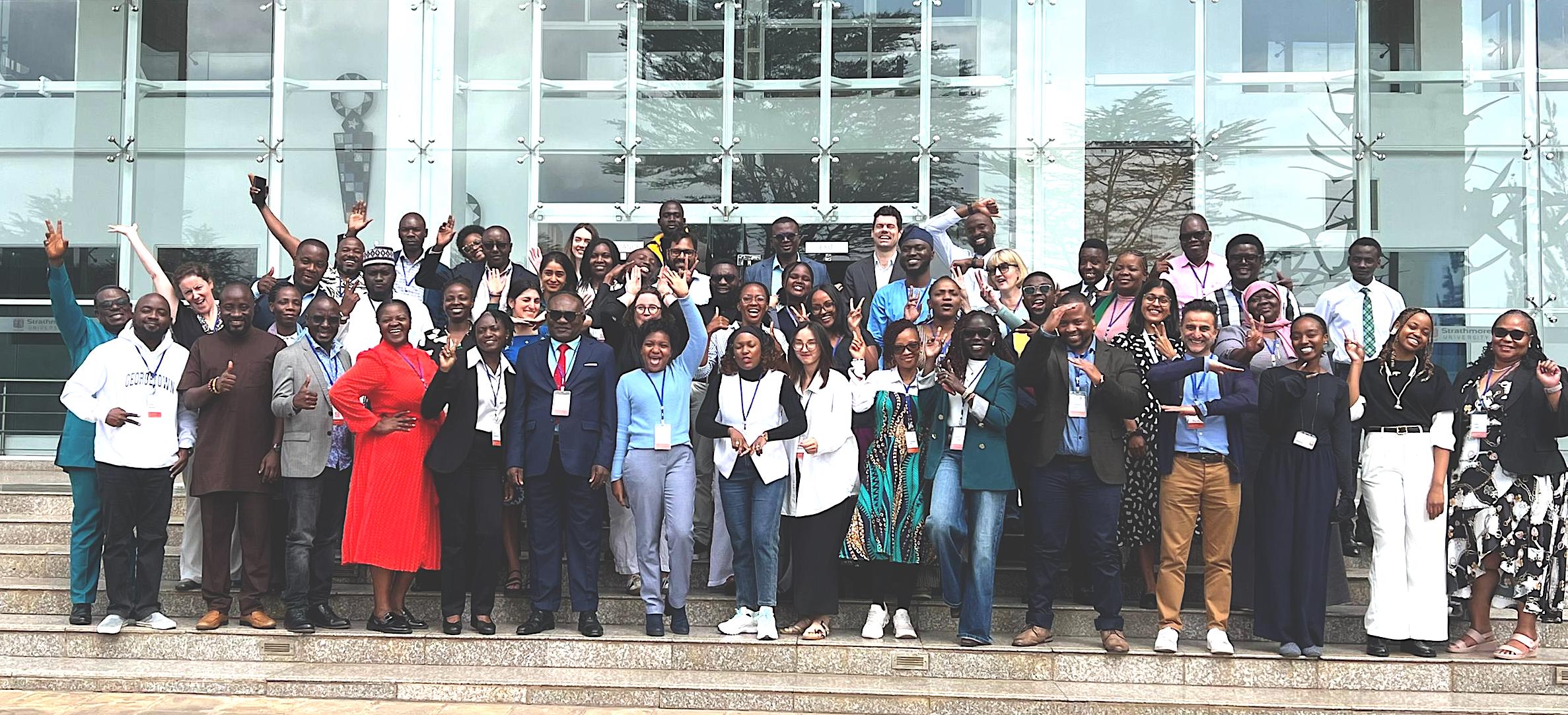
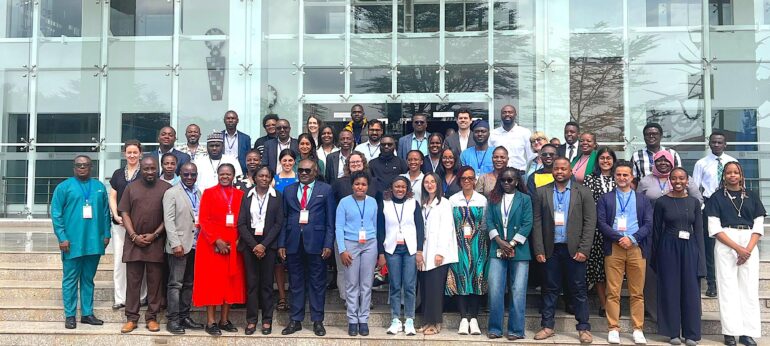
To find answers, researchers, policymakers, academics, civil servants, and development professionals from across Africa gathered at Strathmore University for a five-day Evaluating Social Programs Course, organized by J-PAL Africa in partnership with the School of Humanities and Social Sciences.
Together, they set out to demystify randomized evaluations and explore how these rigorous methods can be used to assess social programs and inform evidence-based policy.
Immersive Learning Through Collaboration
Throughout the week, participants engaged in a blend of expert-led lectures and collaborative group discussions, diving into the core principles of randomized evaluations across diverse contexts.
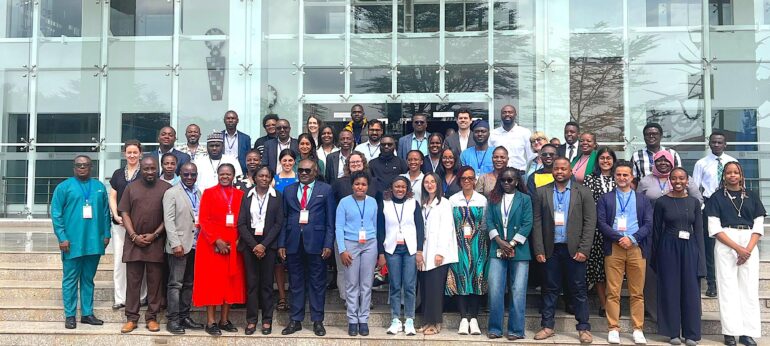
Groups met in syndicate rooms for facilitated discussions led by teaching assistants from J-PAL Africa. Each group brought together individuals from different countries, organizations, and professional backgrounds. Participants were challenged to step beyond their familiar realities and immerse themselves in unfamiliar social, cultural, and policy contexts as they narrowed broad policy issues into researchable evaluation questions for their group projects.
Discussion topics ranged widely:
- The reintroduction of corporal punishment as a measure to curb arson cases in Kenyan high schools
- The relationship between prescription glasses and academic performance in Ghana
- The evaluation of skills gaps in the Tanzanian labour market
In one group, the chosen case study focused on Katete District in Zambia. With only two members familiar with the Zambian context, the rest of the team had to quickly learn about the district’s geography, socio-cultural dynamics, and existing policies before proposing meaningful interventions to reduce teenage pregnancies.
This experience reinforced a vital lesson: evidence-based policymaking begins with understanding the communities you seek to serve not with assumptions.
Deepening Understanding of Randomized Evaluations
For many participants, the concepts surrounding randomized evaluations were not entirely new. However, the programme significantly enhanced their understanding of when and how these methods should be applied.
Participants acknowledged that Randomized Controlled Trials (RCTs) are often resource-intensive, requiring significant time, funding, and coordination to implement effectively. Rather than presenting randomization as the default approach, the training emphasized using it strategically to strengthen research and policymaking.
A lecturer from Strathmore University described the training as an intensive introduction to randomized evaluations. While RCTs often take researchers years to master, the five-day course provided participants with a strong foundation in core concepts. They observed that the programme successfully demystified what is widely regarded as a complex area of research, making it more accessible to both experienced researchers and academics seeking to strengthen their methodological skills.
Another participant emphasized the importance of exposing students and researchers to these methods early, arguing that an understanding of impact evaluation equips future researchers to ask better questions and design stronger studies.
From Learning to Action
Perhaps the clearest indication of the programme’s impact came from a participant who left inspired to adapt the learning to their own context. Although the intervention proposed by their syndicate group did not directly address a challenge in their home country, the discussions sparked ideas for a similar evaluation that could respond to local needs.
For Strathmore University, hosting the Evaluating Social Programs Course reflects a growing commitment to strengthening research that extends beyond academia and informs real-world policy. Through its partnership with J-PAL Africa, the School of Humanities and Social Sciences continues to position itself as a space where researchers, policymakers, and practitioners can come together to tackle society’s most pressing challenges using rigorous evidence.
Beyond the university, the programme represented something even greater. It brought together professionals from across the continent to learn from one another, challenge assumptions, and develop solutions rooted in African realities. This strengthened the idea that Africa’s development challenges are best addressed with evidence generated by those who live and understand the contexts in which those challenges exist.
Turning Hope into Lasting Impact
So, to answer the question, every policy may come bearing hope, but it is through rigorous evaluation, thoughtful collaboration, and evidence-informed decision-making that hope is transformed into lasting impact.
Article Written by Andrea Wakori


Featured post
Latest posts
From Hope to Impact: Evaluating Social Programs for Evidence-Based Policy in Africa Every policy comes bearing hope
From Europe to Africa: Strathmore Students Return with a Renewed Global Vision

What Are You a Slave To?

From Nairobi to Vienna: A Life-Changing Exchange Experience

How Coca-Cola Is Rewriting Youth Engagement: Inside the “It’s That Fresh” Campaign
Upcoming shows